What Is Ammonium Lactate and What Does It Do for Rough Skin?
If you’ve ever faced stubborn rough patches on your elbows, knees, or even your chest, you know how frustrating it is to find a product that actually softens and smooths your skin. Enter ammonium lactate lotion, a tried-and-true ingredient for tackling rough texture through gentle chemical exfoliation. But before you rush to the store, let’s break down what ammonium lactate is, how it works, and how to use it effectively without compromising your skin’s natural barrier.
Body Skin vs. Face Skin: Why Rough Texture Happens Differently
It's important to recognize that the skin on your body isn’t the same as the skin on your face. This difference shapes how you should approach rough patches, especially with ingredients like ammonium lactate.
Thickness and Oil Glands
- Body skin is thicker than facial skin, often with fewer oil glands, especially on areas like your elbows and knees. This thickness can make dry, rough patches more noticeable and harder to treat.
- Facial skin is generally thinner and richer in sebaceous (oil) glands, making it more sensitive yet somewhat naturally protected from drying out.
This means that although your face and body may share dryness issues, the way you exfoliate and moisturize them should vary. Ammonium lactate lotion is designed primarily for body skin’s unique needs.
What Is Ammonium Lactate?
Ammonium lactate is a combination of lactic acid (an alpha hydroxy acid or AHA) and ammonium hydroxide to buffer the pH. Essentially, it’s a gentle chemical exfoliant with added moisturizing properties.
Unlike physical scrubs—oh, how I truly despise those scratchy body scrubs that shred your elbows and heels—chemical exfoliants like ammonium lactate work by loosening the “glue” holding dead skin cells together. This helps shed rough, flaky buildup without the harsh abrasion, making your skin feel smoother over time.
How Ammonium Lactate Works
- Chemical Exfoliation: Lactic acid breaks down dead skin cells on the surface, reducing roughness and encouraging cell turnover.
- Moisturizing Boost: Lactic acid is also a humectant, which means it attracts and retains moisture in the skin.
- pH Balance: The ammonium component helps balance the lotion’s pH, making it less irritating than pure lactic acid solutions.
So, with ammonium lactate lotion, you get the perks of exfoliation plus hydration—two birds with one bottle.
Why Hot Showers and Alkaline Soap Are Your Skin’s Worst Enemies
Before diving deeper into ammonium lactate’s magic, let’s shine a light on some common habits that sabotage your skin barrier and contribute to rough texture:
The Hot Shower Trap
- Hot water strips away your skin’s natural oils like a thief in the night, leaving it dry and vulnerable.
- It also inflames the skin barrier, causing redness and increasing sensitivity to irritants.
- Switching to lukewarm showers can dramatically help preserve moisture and allow products like ammonium lactate lotion to perform better.
Soaps: Avoid the Alkaline Attack
Traditional soaps tend to be alkaline, disrupting your skin's slightly acidic protective barrier. This can worsen dryness and roughness, undermining the effects of moisturizing efforts.
Tip: Use a syndet (synthetic detergent) or pH-balanced non-soap body wash to cleanse gently without stripping your skin’s natural oils. This sets the stage for better absorption of moisturizing and exfoliating lotions.
Moisturizing Right: How to Maximize the Benefits of Ammonium Lactate Lotion
Moisturizing body skin effectively requires a team of ingredients playing different roles. Let’s explore humectants, emollients, and occlusives and how ammonium lactate lotion fits into this ecosystem.
Key Moisturizer Players
Type Function Examples Humectants Attract and hold water in the skin Glycerin, Lactic acid (ammonium lactate), Hyaluronic acid Emollients Smooth the skin’s surface by filling spaces between skin flakes Shea butter, Squalane, Fatty acids Occlusives Create a barrier to prevent water loss Petrolatum, Dimethicone, BeeswaxMoisturize on Damp Skin Within 60-120 Seconds
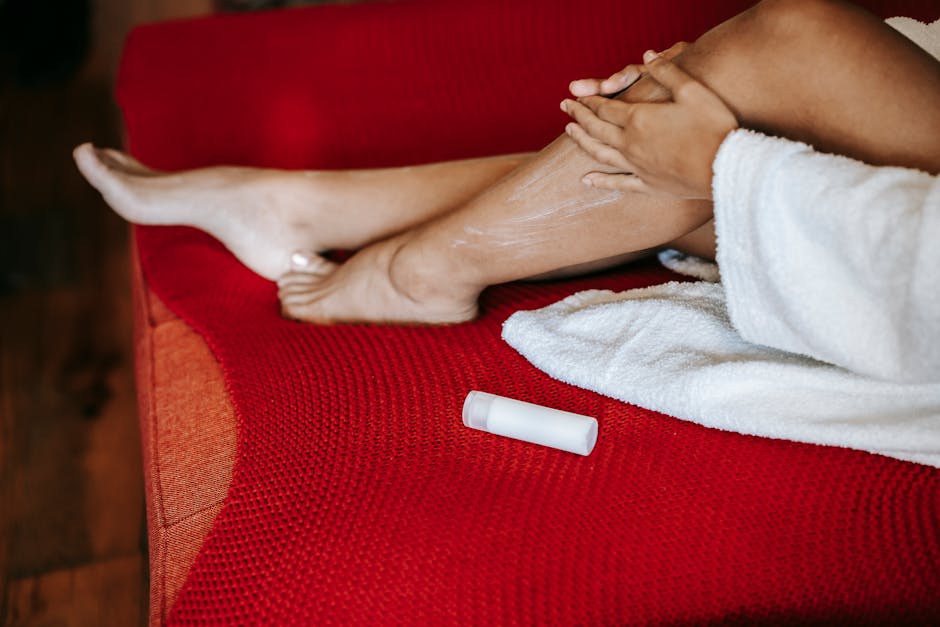
Here’s the real secret to turning rough skin into baby-soft: apply your ammonium lactate lotion on damp skin right after your lukewarm shower or bath—within 60 to 120 seconds. This timing capitalizes on the water still clinging to your skin, helping humectants lock in hydration effectively.
Pro tip: I’m obsessed with having hand cream within arm’s reach—think: by the sink, on your desk, or next to the bed. Same goes for body lotions targeting rough patches; store ammonium lactate lotion somewhere visible so you don’t forget. Trust me, consistency beats fancy ingredients.

Who Should Use Ammonium Lactate Lotion?
Ammonium lactate lotion is a fantastic option if you have:
- Rough, scaly, or dry areas on your body like elbows, knees, heels, or chest
- Conditions such as keratosis pilaris where dead skin buildup causes bumpy texture
- Older skin that needs gentle chemical exfoliation for smoothness
Note: Avoid using ammonium lactate on irritated, broken, or inflamed skin. And because it’s an exfoliating acid, sunscreen is your new BFF—especially on sun-exposed body parts like your chest https://rumbie.co/the-body-skincare-routine-most-people-skip/ and hands. Yes, I’m calling out face-only SPF routines here; body skin deserves protection too.
Complementing Your Routine: Consider CBD Creams for Extra Comfort
Got rough skin that feels irritated or itchy? Check out topical options like Joy Organics 1000mg CBD Cream. CBD has soothing anti-inflammatory properties that pair nicely with exfoliating and moisturizing routines. Keeping a small jar handy for flare-ups or post-shower pampering may help calm redness while supporting your skin’s barrier.
A Sample Routine for Rough Body Skin Using Ammonium Lactate Lotion
- Shower: Use a lukewarm temperature, and cleanse gently with a pH-balanced non-soap body wash or syndet.
- Towel off: Pat your skin dry but leave it slightly damp.
- Apply ammonium lactate lotion: Within 60-120 seconds on damp skin, focusing on rough patches like elbows and knees.
- Layer additional moisturizing cream or oil: If your lotion isn’t occlusive enough (check ingredients), follow with a richer emollient or occlusive product.
- Sunscreen: In the morning, don’t forget to apply broad-spectrum SPF covering hands, chest, and any exposed rough areas.
In Closing
Ammonium lactate lotion is a powerful yet gentle solution for rough, textured body skin, working through mild chemical exfoliation and moisturization. However, your best results come from a holistic approach: toning down hot showers, switching to gentle cleansers, moisturizing on damp skin promptly, and protecting your skin from the sun.
And while you’re upgrading your routine, consider including calming products like Joy Organics 1000mg CBD Cream to soothe any irritation and keep your barrier healthy. Remember, consistency and gentle care always win—not harsh scrubbing or overpromising overnight miracles.
So go ahead, smooth those rough patches, and give your body skin the TLC it truly deserves.